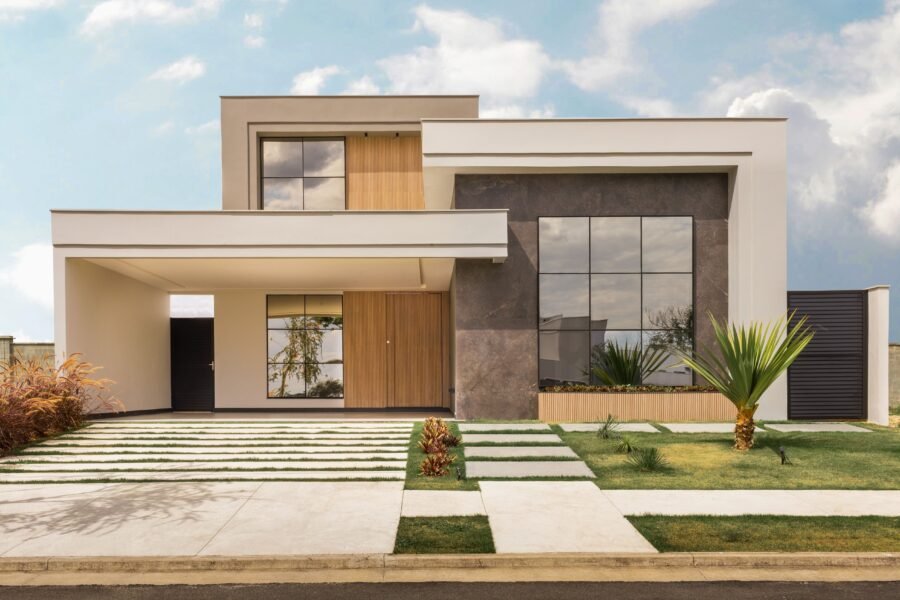
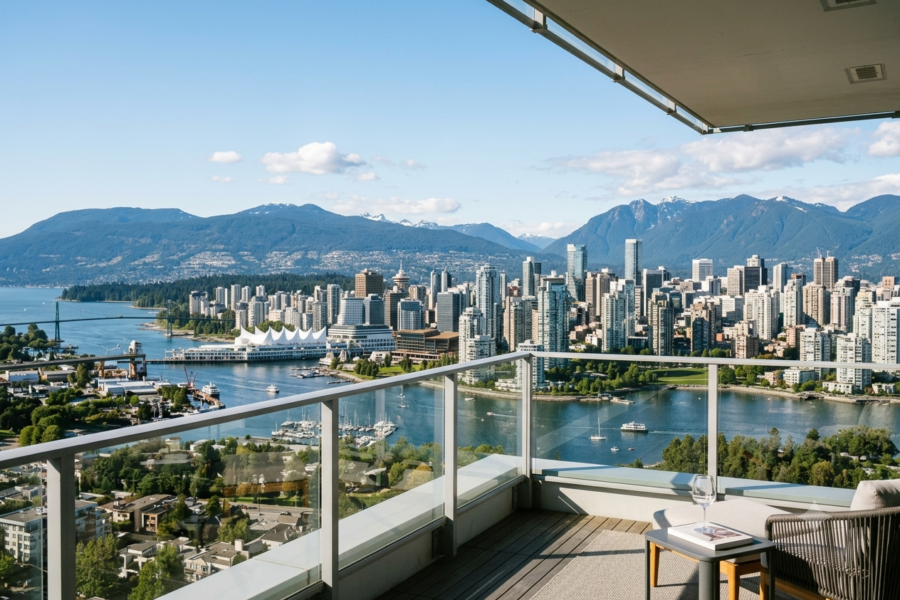
Every listing makes its first impression on a screen, not on a doorstep. By the time a buyer physically walks up to a home, they've already decided — based almost entirely on photos — that it's worth their time. Understanding that sequence, and the data behind it, changes how a realtor should think about photography: not as a cost of listing a home, but as the single highest-leverage marketing decision made before day one.Here's what the research says about why professional photography speeds up a sale, and how to put that data to work on the next listing.
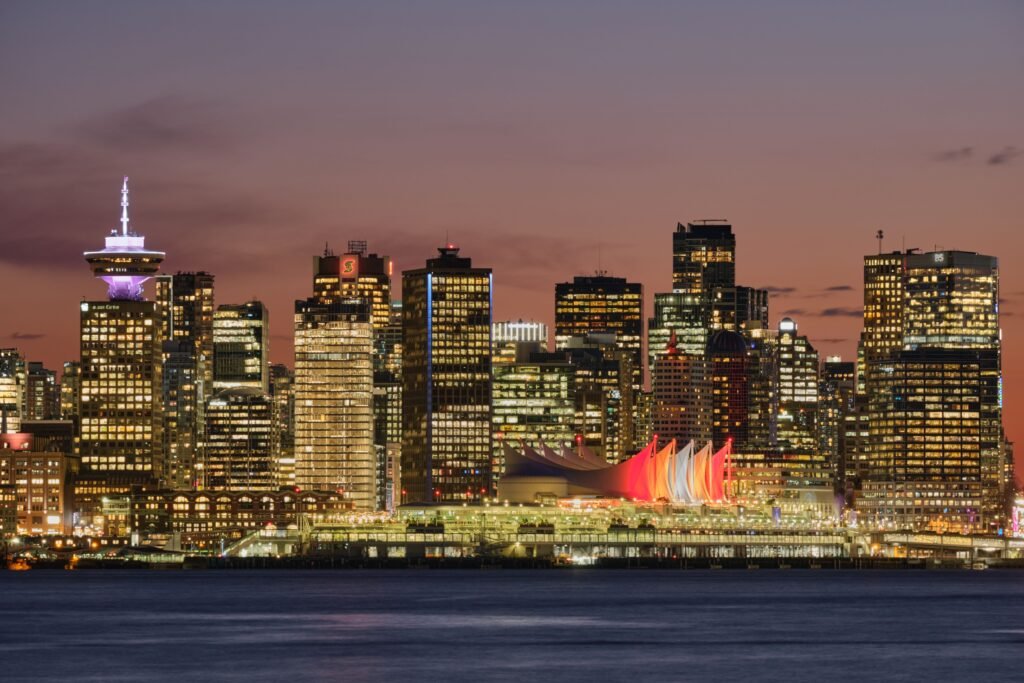
The Seven-Second First Impression
Buyers decide whether to click into a listing almost instantly, based overwhelmingly on the hero photo. Research consistently finds that buyers spend around 60% of their browsing time looking at photos, against roughly 20% on the description and agent details combined. The photos aren't supporting the pitch. For most of the buyer's initial attention, they are the pitch.
Buyer Psychology: How Photos Shape Perceived Value
Photo quality doesn't just affect whether a buyer clicks — it shapes what they assume about the home itself before they've read a single detail. Bright, sharp, well-composed photos read as "well cared for," while dim or cluttered ones quietly plant doubt about condition, even when nothing is actually wrong. Some research puts the swing in perceived value from quality photography as high as 39%, and homes with high-quality photos have been associated with meaningfully higher achieved price per square foot.
Click-Through Rate: Getting Buyers Past the Thumbnail
Professional photography has been linked to click-through increases as high as 150% compared with amateur images, and listings with strong photos see roughly 118% more overall views. Portal and MLS search algorithms tend to reward early engagement by surfacing well-performing listings more prominently, which means a strong opening click-through rate can compound into even more visibility over a listing's first days.
MLS Performance: Photos vs. Views vs. Showings
Views are only the first step in a funnel that runs from click, to save, to showing request. Photo quality influences every stage of it: professionally photographed listings have been shown to generate over 130% more buyer "saves" on portals than lower-quality listings, and those saves are what turn into actual showing requests. Weak photos don't just underperform — they cause buyers to filter a listing out before it's ever given a fair look, regardless of how the home actually shows in person.
Social Media Engagement and Shareability
A genuinely strong hero image or video clip doesn't stay contained to the MLS. Professional listing photography has been associated with well over 1,000% more social shares than amateur images, which matters because a listing that gets organically shared on Instagram or Facebook reaches buyers who were never searching REBGV listings in the first place.
Winning the Listing: How Great Photos Help Agents Win Sellers
This isn't only a buyer-facing effect. A large majority of agents report that high-quality photography helps them win more listings, because a portfolio of sharp, consistent, professional media is one of the clearest signals of competence a seller can evaluate before hiring an agent. It's not a coincidence that agents who consistently invest in professional photography tend to report meaningfully higher commission income than those who don't — the same media that sells the home also sells the agent.
The Cost of Weak Photos
It's tempting to think of underwhelming photos as a neutral choice — the listing simply doesn't get a boost. In practice it's closer to a tax: slower initial momentum, fewer showings in the critical first weeks, a higher chance of a price reduction, and a seller who starts to lose confidence in their agent's marketing. None of that is easy to reverse once a listing has gone stale online.
Turning This Into a Listing Strategy
Treat photography as marketing spend with a measurable return, not a line-item to minimize. Build the shoot around the listing's first 48 hours online, since that's when most of the early view and showing momentum is generated. And where the property and budget support it, pair core photography with drone, video, or Matterport, each of which compounds the same effect through a different channel — search, social, and buyer research, respectively.
“Is this data real, or just marketing claims from photography companies?”
The core findings — faster sales, more views, higher achieved prices — show up consistently across independent research from sources including Redfin, the National Association of Realtors, and academic studies going back well over a decade, not only from photography-industry marketing.
“Does this effect apply at every price point?”
The percentage gains in views and days-on-market generally hold across price points, though some research suggests the price-lift effect is strongest for homes roughly in the $200,000–$1 million range and less pronounced at the very top end of the market, where buyers weigh other factors more heavily.
“How much of this is the photos themselves versus the home being genuinely great?”
Both matter, and they’re not separable in practice. Photography doesn’t make a weak home strong, but it does determine whether a genuinely good home gets a fair chance to be seen and judged on its merits in the first place.
“Do bad photos actually hurt a listing, or just fail to help?”
Both. Weak photos actively suppress click-through and views relative to what a comparable, well-photographed listing achieves, which functions as a real disadvantage rather than a neutral one.
“What’s the fastest way to improve an underperforming listing’s photos?”
A reshoot with proper prep, lighting, and a wider lens almost always outperforms trying to salvage the existing gallery. If a full reshoot isn’t possible, adding a twilight or day-to-dusk hero image and a floor plan are two of the highest-impact quick additions.