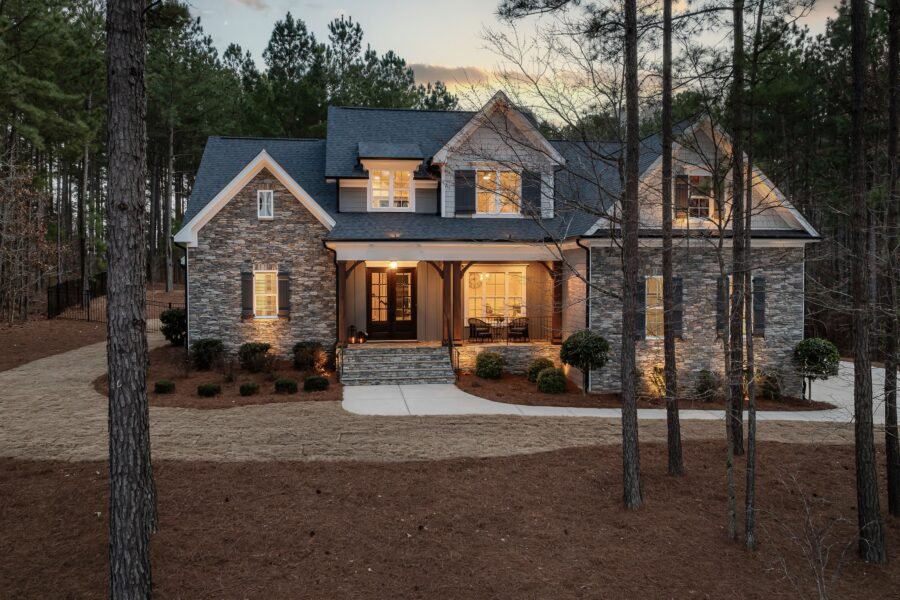
Warm light glowing from every window, a rich blue evening sky, exterior lighting just starting to show — the twilight shot is one of the most recognizable images in luxury real estate marketing, and for good reason: it consistently stops the scroll in a crowded gallery of daytime photos.This guide covers what day-to-dusk editing actually is, why it works so well psychologically, and how AI has quietly made this once-expensive technique accessible to almost any listing.
What Is Day-to-Dusk (Twilight) Editing?
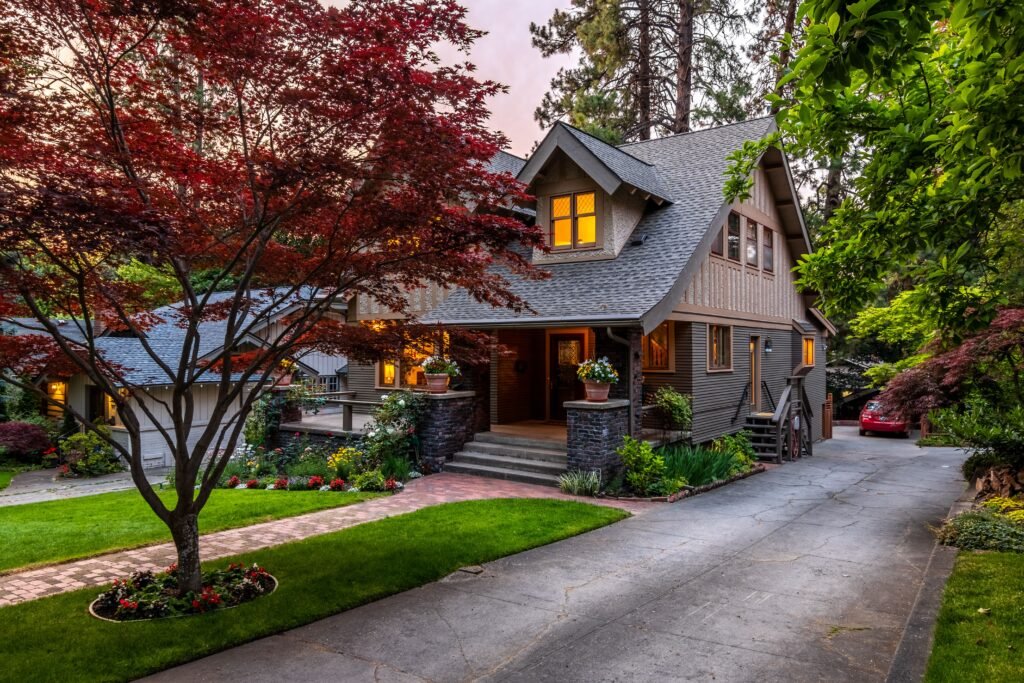
Traditionally, a twilight photo meant a second on-site visit timed precisely to blue hour, the narrow 20–30 minute window after sunset when the sky holds colour but interior and exterior lights are already glowing. Modern day-to-dusk editing achieves the same look digitally: a photographer's standard daytime exterior shot is converted, using AI-assisted editing, into a realistic twilight version, complete with a rich sky and warmly lit windows, without a second visit at all.
The Psychological Appeal of Twilight Photography
Warm interior light set against a cool evening sky reads, almost universally, as "welcoming home" — it's an aspirational, magazine-quality image that photos taken in flat midday light rarely achieve. That appeal shows up in the numbers: twilight listing photos have been associated with significantly more views and up to three times more showings compared to daytime-only listings, despite twilight images still being used on only a small fraction of listings.
How AI Has Changed Twilight Editing
A traditional on-site twilight shoot typically added several hundred dollars to a session and required coordinating a second visit around a precise, weather-dependent window. AI day-to-dusk conversion delivers a comparable result from the original daytime shoot, same-day, at a fraction of the cost and with none of the scheduling risk. That shift is a big part of why day-to-dusk images, once reserved almost exclusively for luxury listings, are now realistic for a much wider range of price points.The one caveat worth stating plainly: a good day-to-dusk edit should look like a real twilight photograph, not an obvious filter. It should never alter or misrepresent the property's actual structure or features, only the lighting and sky.
Twilight and Luxury Perception
There's a reason nearly every luxury listing includes at least one twilight image: it signals a level of marketing investment that buyers associate with a well-cared-for, premium property. Using a day-to-dusk hero shot can help justify a listing's positioning and price point before a buyer has read a single line of the description.
Best Property Types for Day-to-Dusk Images
Day-to-dusk works best on homes with strong exterior architecture or lighting design, since those details are exactly what the twilight look is built to flatter, and on waterfront or view properties, where a dusk sky adds real atmosphere to an already strong shot. It's also one of the most effective ways to make a listing's hero image stand out in a crowded price bracket, where every competing listing is using similar daytime photography.
When to Use (and Skip) Twilight
Not every listing needs it. A straightforward starter condo or a home with unremarkable exterior lighting generally sees less benefit than a detached home with real curb appeal to show off after dark. As with any add-on, it's worth weighing against the listing's price point and target buyer; our pricing guide covers where day-to-dusk fits into an overall package cost.
What the Process Looks Like With DOP Media
Because day-to-dusk conversion works from a standard daytime exterior photo, there's no need to schedule a separate evening visit or work around a narrow weather window. It's added during editing and typically delivered alongside the rest of the gallery, keeping turnaround times fast even when a twilight hero shot is part of the package.
“Is AI day-to-dusk as good as a real twilight shoot?”
For most listings, yes — a well-done AI conversion is difficult to distinguish from a traditional on-site twilight shoot, and it removes the weather and scheduling risk that comes with a live evening shoot.
“Does every listing need a twilight photo?”
No. It adds the most value for homes with strong exterior architecture, lighting, or a view, and less for simpler properties where a daytime hero shot already does the job.
“How long does day-to-dusk editing take?”
Since it’s done from the existing daytime photo during editing, it doesn’t add meaningful time to standard gallery delivery.
“Will buyers know it’s edited?”
A well-executed day-to-dusk image looks like a natural twilight photograph. The goal is realism, not an obvious effect, and it should never misrepresent the property itself.
“Does twilight editing work on interior photos too, or just exteriors?”
It’s most commonly and most effectively used on exterior hero shots, where the sky and exterior lighting are the whole point, though warm-toned interior edits can complement a twilight exterior gallery.